Electric vehicles are becoming more popular every year, and Utah is no exception.
Looking for reliable EV charger installation services in Utah? Learn about costs, types of chargers, incentives, and the best EV charging stations Utah offers.
Electric vehicles are becoming more popular every year, and Utah is no exception. As more drivers switch to clean transportation, the demand for EV charger installation in Utah and reliable charging stations in Utah continues to rise. Whether you're a homeowner, business owner, or EV enthusiast, understanding your charging options will help you choose the right solution.
Understanding EV Charging in Utah
Growth of Electric Vehicles in Utah
Utah has seen a massive increase in EV adoption. With cleaner air goals and expanded incentives, more drivers are choosing EVs over gas-powered cars. Charging networks, both public and private, are expanding quickly to keep up with demand.
Why Public & Home Charging Matters
Public stations help reduce range anxiety, while home charging offers convenience and low electricity costs. That balance makes it possible for Utah drivers to enjoy reliable access to energy no matter where they travel.
Benefits of EV Charger Installation in Utah
Faster Charging at Home
Installing a Level 2 charger at home cuts charging time dramatically. Instead of waiting 24 hours for a full charge on Level 1, Level 2 chargers top off most EVs overnight.
Increased Property Value
Homes with EV chargers tend to attract more buyers. As EVs become mainstream, charging capability becomes a must-have amenity.
Types of EV Chargers Available in Utah
Level 1 Chargers
Level 1 chargers come standard with most electric vehicles and use a regular 120-volt outlet. While they’re convenient, they are also the slowest option. These chargers typically add only 3–5 miles of range per hour, making them suitable only for light daily driving or plug-in hybrids.
Level 2 Chargers
Level 2 chargers are the most popular choice for EV charger installation in Utah because they offer a perfect balance of speed, affordability, and compatibility. They require a 240-volt circuit—similar to what your dryer uses—and can deliver 25–35 miles of range per hour. Most homeowners choose Level 2 chargers for their daily charging needs.
DC Fast Charging
DC fast chargers are the fastest chargers available and are commonly found at EV charging stations in Utah. These chargers can replenish up to 80% of your battery in as little as 20–40 minutes. They require industrial- grade wiring, making them ideal for commercial installations rather than residential homes.
Learn more about the differences between the types of chargers available.
Choosing the Right Home Electric Charging Station in Utah
Electrical Capacity
Before selecting a home charger, electricians evaluate your home’s electrical panel. Some older homes may need panel upgrades to safely accommodate a new Level 2 charger. This ensures stable performance and reduces the risk of overloads.
Smart Charger Features
Modern EV chargers include Wi-Fi monitoring, scheduling, energy tracking, and mobile app controls. These smart features help homeowners optimize energy usage and track charging habits.
Cost of EV Charger Installation in Utah
Labor and Materials
In Utah, the cost of installing a Level 2 charger typically ranges between $800 and $2,500, depending on wiring complexity, charger type, and distance from the panel. Homes that require additional electrical work may see higher costs.
Permit and Inspection Fees
Local Utah municipalities require electrical permits to ensure safe installation. Permit fees typically range from $50 to $200, depending on location. These fees ensure your installation meets safety codes and passes official inspections.
Rebates, Incentives & Tax Credits in Utah
Rocky Mountain Power Incentives
Rocky Mountain Power offers rebates for residential and commercial EV charging equipment. Homeowners can save money on qualifying Level 2 chargers, while businesses can receive rebates on commercial-grade charging systems.
Learn more about Rocky Mountain Power energy programs.
Federal EV Tax Credits
The federal government offers tax credits for certain EV charging equipment and installation expenses. This can offset overall costs and encourage cleaner transportation across Utah.
Learn more about federal tax credits for electric vehicles and charging infrastructure.
Top EV Charging Stations Utah Has to Offer
Popular Public Charging Locations
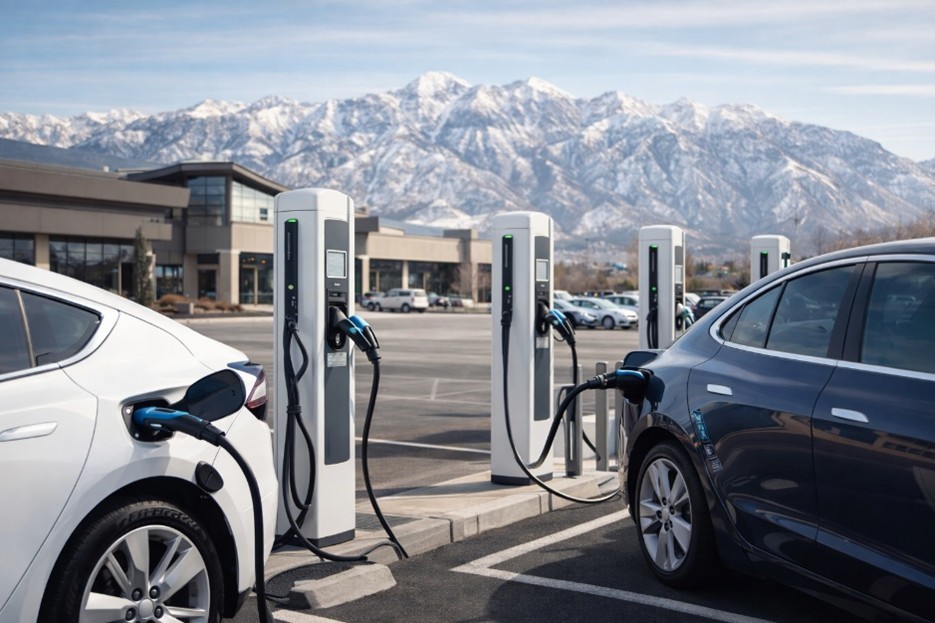
Utah has hundreds of public charging stations spanning grocery stores, parks, shopping centers, and workplaces. Major highways such as I-15, I-70, and US-89 feature multiple DC fast charging stations. These corridors make road trips across the state convenient for EV drivers.
Discover more popular charging locations in Utah.
How to Prepare Your Home for an EV Charger
Electrical Panel Checks
Your electrician will inspect your breaker panel to determine capacity and safety. A simple assessment helps identify whether recommended upgrades are needed for safe operation.
Professional Installation Process
Once approved, the technician will run wiring, mount the charger, connect the circuit, and test the system. A final inspection from the city or county ensures everything meets Utah’s electrical safety standards.
Safety Standards for EV Charger Installation in Utah
NEC Code Compliance
All installations must follow the National Electrical Code (NEC), which outlines requirements for wiring, grounding, and overload protection. Compliance ensures your charger runs safely and efficiently.
Weather-Resistant Installations
Utah’s climate demands durable chargers. Outdoor units must be weatherproof, UV-resistant, and capable of withstanding snow, rain, and temperature fluctuations.
Commercial Charging Stations in Utah for Businesses
Attracting EV Customers
Businesses that install charging stations attract more EV drivers, increasing foot traffic and boosting brand reputation. Customers are more likely to stay longer when they can charge their vehicles onsite.
Workplace Charging Programs
Employers can support sustainability goals by offering workplace chargers. This encourages employees to adopt EVs and helps businesses meet clean-energy commitments.
Maintenance Tips for Your Electric Charging Station in Utah
Cleaning
Wipe down the charging cable and connector regularly to prevent dust and debris from causing wear. Keeping equipment clean helps extend its lifespan.
Software Updates
Many smart chargers receive app or firmware updates that improve performance and compatibility. Updating regularly ensures your system stays efficient and secure.
Common Problems With EV Charging Stations in Utah
Slow Charging
If your EV charges slowly, the issue may come from the wiring, charger settings, or vehicle software. A professional evaluation can identify the cause quickly.
Connectivity Issues
Wi-Fi-equipped chargers may occasionally lose connection. Resetting the device or updating firmware usually resolves the problem.
Future of EV Infrastructure in Utah
Statewide Expansion
Utah continues to invest in statewide EV infrastructure. More public charging stations, including fast chargers, will be added in rural and urban areas to support growing demand.
Tech Advancements
Future stations may include solar-powered chargers, wireless charging pads, and even autonomous charging bots. Utah is positioned to adopt these innovations as EV adoption continues to rise.
FAQs About EV Charger Installation in Utah
1. How long does it take to install a home EV charger in Utah?
Most installations take 2–4 hours, depending on wiring complexity and panel conditions.
2. Do I need a permit for EV charger installation in Utah?
Yes. Utah municipalities require permits to ensure installations meet safety standards.
3. Can I install a Level 2 charger myself?
DIY installation is not recommended. Professional installers ensure compliance and safety.
4. What’s the average cost of a home charger?
A typical Level 2 charger costs $400–$800, plus installation fees.
5. Are public EV charging stations in Utah free?
Some locations offer free charging, but most commercial stations charge a fee.
6. How fast are DC fast chargers?
They can recharge most EVs up to 80% in under 40 minutes.
Conclusion
Utah is quickly becoming a leader in EV adoption, offering a growing network of EV charging stations in Utah and expanding support for homeowners seeking EV charger installation in Utah. Whether you're upgrading your home, installing commercial chargers, or exploring incentives, Utah offers plenty of opportunities to embrace clean transportation. As infrastructure continues to grow, EV drivers can expect safer, faster, and more reliable charging options across the state.
For additional resources on EV charging in Utah, visit the U.S. Alternative Fuels Data Center.
Get Started