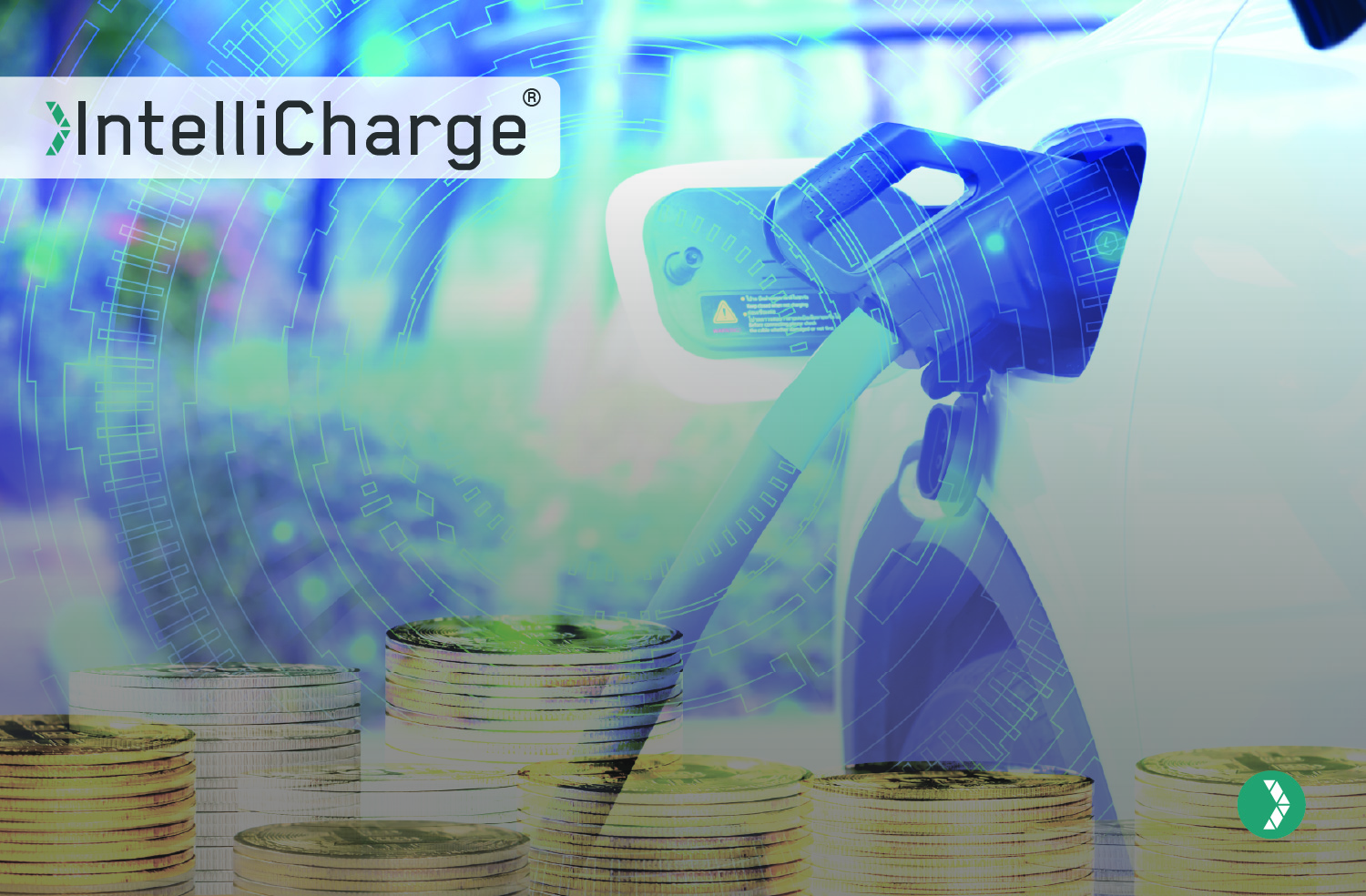
Top Strategies to Monetize a Parking Lot With EV Charging
Discover the most profitable ways to monetize a parking lot with EV charging. Learn how to boost parking revenue, build an EV-focused business plan, and invest in electric vehicle charging stations for long-term income.
As electric vehicles continue gaining traction, parking lot owners are realizing that the future of parking revenue lies in EV charging. If you’re building or updating a parking lot business plan, EV charging options can significantly boost your income while making your property more attractive to modern drivers. The great part? You can still integrate traditional parking income strategies, but EV charging takes everything to the next level.
Let’s break down the smartest ways to monetize a parking lot—with an emphasis on turning it into an EV-powered profit engine.
Why EV Charging Is Transforming Parking Revenue
Growth of EV adoption and market demand
Electric vehicle ownership is rising fast, and with that comes a major need for convenient, accessible charging stations. Unlike traditional parkers who leave quickly, EV drivers stay longer, meaning higher potential income per visit.
This creates a unique opportunity: Every EV charger is a revenue stream that works 24/7.
Learn more about the mass EV adoption trend.
Why EV drivers spend more time (and money)
EV drivers tend to be tech-savvy, environmentally conscious, and willing to pay premiums for convenient locations, faster chargers, or guaranteed access. Whether you own a small private lot or a large commercial space, offering charging instantly makes your property more valuable.
Building an EV-Forward Parking Lot Business Plan
If you’re crafting a new parking lot business plan, shifting toward EV charging is one of the most future-proof investments you can make.
Here’s what to evaluate:
Identifying local EV demand
1. Assess Local EV Adoption
Look at:
Nearby businesses
Apartment complexes
Commuter traffic routes
Gaps in public charging
High EV density equals higher, consistent charging income.
Calculating charger installation costs
2. Estimate Installation Costs
Costs vary depending on whether you install:
Level 2 chargers (more affordable, great for 1–3 hour parking)
Level 3 fast chargers (expensive but high demand and high ROI)
A good business plan outlines electrical access, trenching needs, installation costs, and estimated payback periods.
Learn more about why installing EV charging stations is a great business decision.
How to Start a Charging Station Business in Your Parking Lot
If you’re ready to start a charging station business, begin with the basics:
Picking Level 2 vs. Level 3 chargers
Choose the Right Type of Chargers
Level 2 chargers: Best for small lots, restaurants, offices
Level 3 DC fast chargers: Ideal for high-traffic urban areas
Site design, permits, and electrical requirements
Most lots already have enough power for Level 2 chargers. For Level 3, you may need utility upgrades. Proper planning prevents expensive rework. Cities often require electrical inspection and ADA-accessible EV parking spaces. Getting this step right smooths installation.
Partnership vs. Ownership Models
Revenue sharing vs. purchasing chargers
You have two main ways to monetize EV charging:
1. Ownership Model (You purchase equipment)
Pros:
Highest long-term revenue
You control pricing
You keep all charging profits
Cons:
Higher upfront cost
You handle maintenance
2. Partnership / Lease Model (A provider owns equipment)
Pros:
Little or no upfront investment
Quick installation
Revenue sharing model
Cons:
Lower total profits
Less control over pricing
Both models work, depending on your budget and long-term goals. For more passive investors, partnerships are attractive. For people building a true parking lot investment strategy, ownership usually pays more.
Investing in Electric Charging Stations for Passive Income
Wondering how profitable this can be? Investing in electric charging stations has become one of the highest-return upgrades for parking lots.
Return on Investment
Charging sessions typically bring in:
Energy fees
Parking fees
Peak pricing premiums
Combined, this often doubles or triples traditional parking revenue.
Utility incentives and government rebates
Incentives Reduce Startup Costs. Many areas offer:
Government rebates
Utility company incentives
Tax credits
This dramatically reduces the cost of setting up a charging station business, making it easier to start even with a small lot.
Additional Add-Ons That Increase EV-Focused Profit
Once EV chargers are in place, you can increase revenue with:
Premium reserved EV-only spaces
Priority fast-charging lanes
Subscription charging memberships
Valet EV charging services
These premium add-ons attract high-value customers.
Learn more strategies for monetizing your EV chargers.
Marketing Strategies to Drive EV Traffic
Listing on charging apps
Visibility is everything. Promote your lot by listing your chargers on maps dedicated to showing drivers where they can charge.
Local business partnerships
Partner with nearby restaurants, gyms, and retail stores to bring consistent foot traffic and keep chargers busy.
Non-EV Revenue Opportunities Still Worth Considering
While EV charging should be the core, additional income streams round out your parking lot business:
Traditional hourly or daily paid parking
Vendor space rentals
Fleet vehicle storage
Event parking
These boost total income without competing with the EV-focused model.
Discover more non-EV ways to increase your parking lot revenue.
Enhancing Your Lot to Support Higher Pricing
Simple upgrades help justify higher rates:
LED lighting
High-quality security cameras
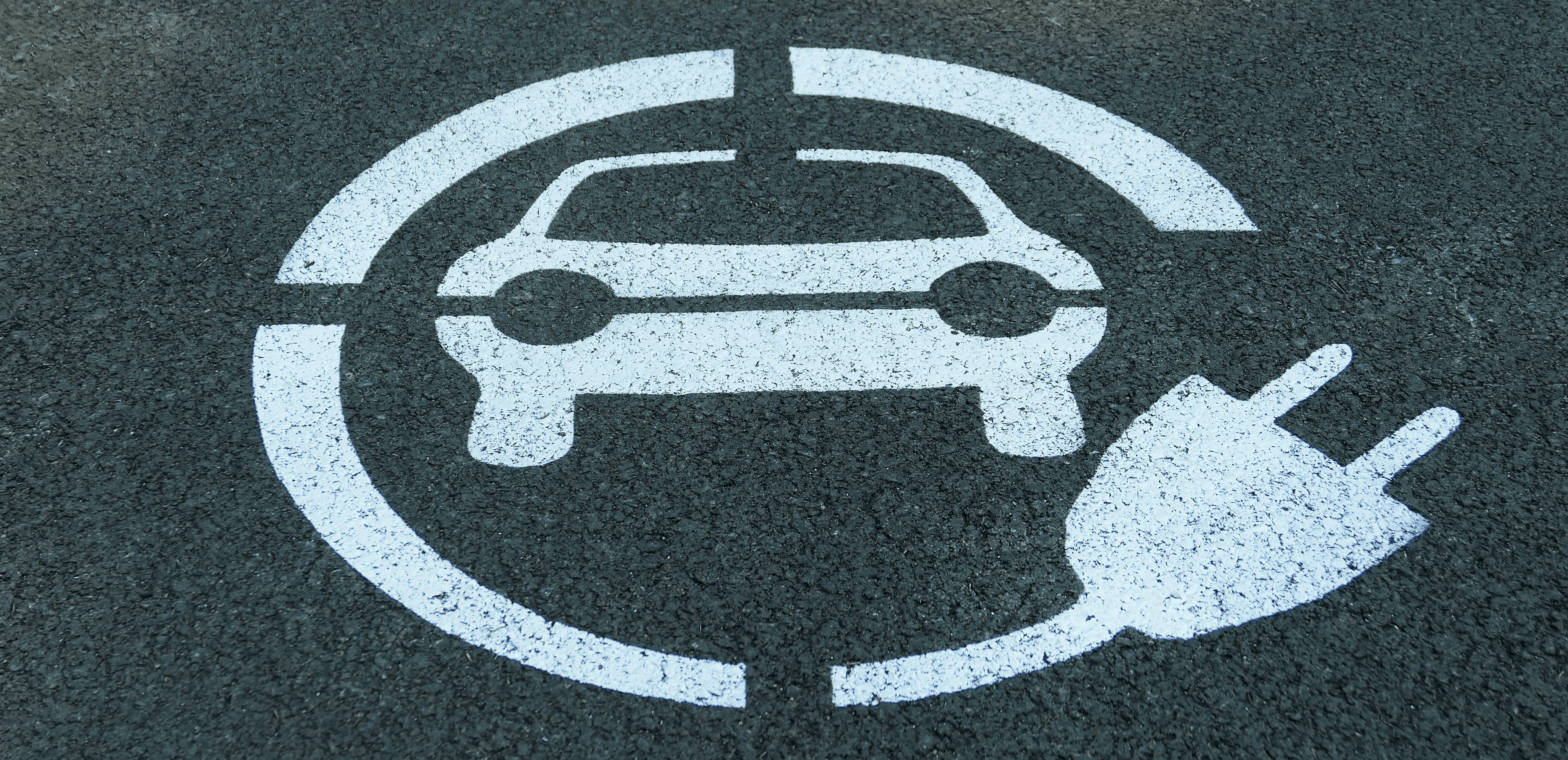
Clear EV signage
Painted EV-only zones
Small improvements can significantly improve customer satisfaction and safety.
FAQs About EV-Powered Parking Lot Monetization
1. Is EV charging really profitable for small lots?
Yes. Even one or two chargers offer meaningful recurring revenue.
2. Should I buy chargers or use a network partner?
Ownership offers higher profits, while partnerships reduce upfront cost.
3. How long does installation take?
Level 2 chargers: 2–4 weeks.
Level 3 chargers: 1–3 months.
4. Does EV charging increase property value?
Absolutely. Lots with chargers are more competitive and future-ready.
5. Can I integrate chargers into an existing parking lot business plan?
Yes—EV charging layers seamlessly onto existing revenue models.
Conclusion
Electric vehicle charging is no longer optional—it’s one of the smartest and most profitable ways to grow parking revenue. Whether you're building a new parking lot investment, expanding an existing lot, or launching your first EV-focused business, charging stations offer reliable income, strong incentives, and long-term growth.
Get Started